Start with the product surface
Glass, plastic, paper and textured surfaces create different adhesive requirements. Include the container material and how the label will be applied when requesting your quotation.
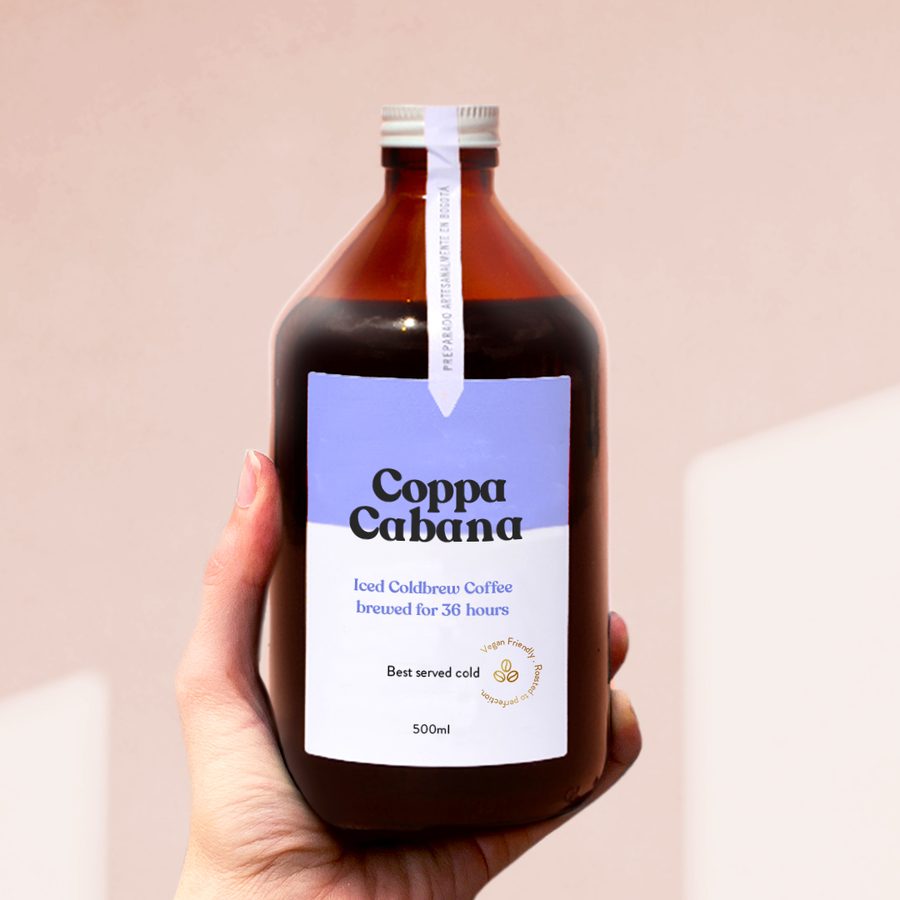
For curved containers, measure the usable label area rather than the full circumference. Test a sample on the actual container before committing to a production run.
Consider the environment
A label used on a dry retail shelf has different requirements from one exposed to refrigeration, moisture or cleaning products. Tell your printer about storage temperature, condensation and handling.
Paper and synthetic materials each have a place. Suitability depends on the exact substrate, adhesive, print and protective finish — do not assume a material is waterproof or chemical-resistant without confirmation.
Specify the finished appearance
Matte and gloss finishes affect both appearance and handling. Foil, embossing or spot effects can highlight selected details, but should be assessed against the artwork and material.
Share the label size, shape, quantity and application with West Coast Label to request a project-specific recommendation.